The Ultimate Small Business SEO Checklist: Boost Your Online Visibility
Discover the essential Small Business SEO Checklist to enhance your online presence and attract more customers. Follow these expert tips to optimize your website effectively.
Introduction
In the digital age, a strong online presence is crucial for small businesses to thrive and compete. Search Engine Optimization (SEO) plays a pivotal role in improving your website’s visibility on search engine results pages (SERPs), driving organic traffic, and increasing brand awareness. However, navigating the world of SEO can feel overwhelming, especially for small business owners juggling multiple responsibilities.
To simplify the process, we’ve created the Ultimate Small Business SEO Checklist, a step-by-step guide to help you optimize your website, attract more customers, and grow your business. Follow these proven strategies to enhance your SEO efforts and achieve long-term success.
Table of Contents: The Ultimate Small Business SEO Checklist
-
Introduction
- Importance of SEO for Small Businesses
- How This Checklist Will Help
-
Keyword Research
- Tools for Keyword Discovery
- Targeting Long-Tail Keywords
- Competitor Keyword Analysis
-
On-Page Optimization
- Optimizing Title Tags, Meta Descriptions, and Headings
- Enhancing Website Content
- Internal Linking Strategies
- Image Optimization
-
Mobile-Friendly Design
- Ensuring Mobile Responsiveness
- Using Google’s Mobile-Friendly Test
- Improving Page Loading Speed
-
Local SEO
- Claiming Your Google My Business Listing
- Managing NAP Information Across Directories
- Collecting and Responding to Reviews
-
Content Strategy
- Creating High-Quality, Relevant Content
- Using Keywords Naturally
- Regularly Publishing Fresh Content
-
Backlink Building
- Acquiring High-Quality Backlinks
- Monitoring and Disavowing Toxic Links
- Collaborating with Influencers and Industry Forums
-
Social Media Integration
- Adding Social Sharing Buttons
- Engaging with Audiences on Social Platforms
- Tracking Social Media Analytics
-
Analytics and Monitoring
- Setting Up Google Analytics and Search Console
- Monitoring Key Website Metrics
- Making Data-Driven Adjustments
-
Conclusion
- Staying Consistent with SEO Efforts
- Adapting to SEO Trends and Algorithm Changes
Keyword Research
The Foundation of SEO Success
Comprehensive keyword research is the cornerstone of any successful SEO strategy. Understanding the search terms your target audience uses ensures you’re addressing their needs and intentions.
-
-
- Use tools like Google Keyword Planner, SEMrush, or Ahrefs to uncover relevant keywords with high search volume and low competition.
-
-
-
- Focus on long-tail keywords that are specific to your niche, such as “affordable web design for small businesses.” These keywords are easier to rank for and attract highly targeted traffic.
-
-
-
- Analyze your competitors to identify keywords they are ranking for and evaluate how you can improve upon their content.
-
Pro Tip: Organize your keywords into clusters or categories to target multiple related terms in a single piece of content.
On-Page Optimization
Fine-Tune Your Website
On-page SEO ensures that every element of your website aligns with search engine guidelines.
-
-
- Optimize title tags, meta descriptions, and H1/H2 tags with your target keywords while keeping them concise and compelling.
-
-
-
- Create high-quality, informative, and engaging content that satisfies user intent. For example, an article about “Small Business SEO Checklist” should include actionable steps and examples.
-
-
-
- Add internal links to connect related pages, improve navigation, and help search engines understand your site’s structure.
-
-
-
- Use descriptive alt text for images to improve accessibility and help search engines index your visual content.
-
Pro Tip: Keep URLs short, keyword-rich, and easy to read. For instance, use “yourdomain.com/small-business-seo-checklist” instead of “yourdomain.com/page12345.”
Mobile-Friendly Design
A Non-Negotiable
With mobile devices accounting for over half of all web traffic, having a mobile-responsive website is essential.
-
-
- Use Google’s Mobile-Friendly Test to check your site’s compatibility across devices.
-
-
-
- Optimize your website’s loading speed by compressing images, enabling browser caching, and reducing unnecessary scripts.
-
-
-
- Simplify navigation with clear menus and buttons, ensuring users can easily find what they need on smaller screens.
-
Pro Tip: Pages that load within 2-3 seconds tend to perform better in terms of both rankings and user retention.
Local SEO
Dominate Your Neighborhood
Local SEO is critical for small businesses targeting customers in a specific geographic area.
-
-
- Claim and verify your Google My Business (GMB) listing. Include accurate business details such as your name, address, phone number (NAP), and business hours.
-
-
-
- Add high-quality photos of your storefront, products, or services to your GMB profile.
-
-
-
- Encourage happy customers to leave positive reviews, and respond to all reviews (positive or negative) promptly to build trust and credibility.
-
-
-
- Consistently update your NAP information across online directories, such as Yelp and Bing Places.
-
Pro Tip: Use location-based keywords, like “best bakery in New York,” to attract local customers.
Content Strategy
Create Value for Your Audience with this Small Business SEO Checklist to create effective website optimization.
Content is king when it comes to SEO, and an effective content strategy can significantly boost your website’s rankings.
-
-
- Publish high-quality blog posts, how-to guides, or videos that address your audience’s pain points.
-
-
-
- Incorporate target keywords naturally, ensuring they enhance the content rather than disrupt its flow.
-
-
-
- Maintain a consistent publishing schedule to keep your audience engaged and coming back for more.
-
-
-
- Use content formats like infographics, case studies, or FAQs to cater to different learning preferences.
-
Pro Tip: Create evergreen content that remains relevant over time, such as “Top 10 Small Business SEO Tips.”
Backlink Building
Boost Your Website’s Authority
Backlinks from reputable websites signal to search engines that your content is valuable and trustworthy.
-
-
- Reach out to industry blogs or websites for guest posting opportunities.
-
-
-
- Collaborate with influencers or businesses in your niche to gain backlinks through partnerships.
-
-
-
- Share your content on forums like Reddit or Quora to attract attention and potential backlinks.
-
-
-
- Regularly audit your backlink profile using tools like Ahrefs or Moz, and disavow toxic links that could harm your site’s reputation.
-
Pro Tip: Focus on quality over quantity. A single backlink from an authoritative domain is more valuable than several from low-quality sites.
Social Media Integration
Extend Your Reach
Social media is a powerful tool for driving traffic and enhancing your SEO efforts.
-
-
- Add social sharing buttons to your website’s content to encourage readers to share your articles or blog posts.
-
-
-
- Post consistently on platforms like Facebook, Instagram, or LinkedIn to engage your audience and build brand loyalty.
-
-
-
- Use social media to amplify your content’s visibility and generate referral traffic to your website.
-
Pro Tip: Share snippets of your blog posts or helpful tips to spark interest and direct followers to your site. Use the Small Business SEO Checklist to make sure you Integrate your Social Media perfectly.
Analytics and Monitoring
Track Your Progress
SEO is an ongoing process that requires regular monitoring and adjustments.
-
-
- Set up Google Analytics and Google Search Console to track metrics like website traffic, user behavior, and keyword rankings.
-
-
-
- Identify which pages have high bounce rates or low conversion rates and optimize them accordingly.
-
-
-
- Use data insights to refine your SEO strategy and ensure it aligns with your business goals.
-
Pro Tip: Pay attention to keyword trends and adjust your content to reflect seasonal or industry-specific changes.
Conclusion
Optimizing your website for search engines doesn’t have to be overwhelming. By following this Small Business SEO Checklist, you can improve your online visibility, attract more customers, and grow your brand. Remember, SEO is a long-term investment, and consistency is key.
Stay informed about the latest SEO trends, adapt your strategies as needed, and watch your small business flourish in the digital landscape. With dedication and the right approach, you’ll be well on your way to achieving sustainable success. Glance over this Small Business SEO Checklist regularly to keep the ideas fresh in your mind.
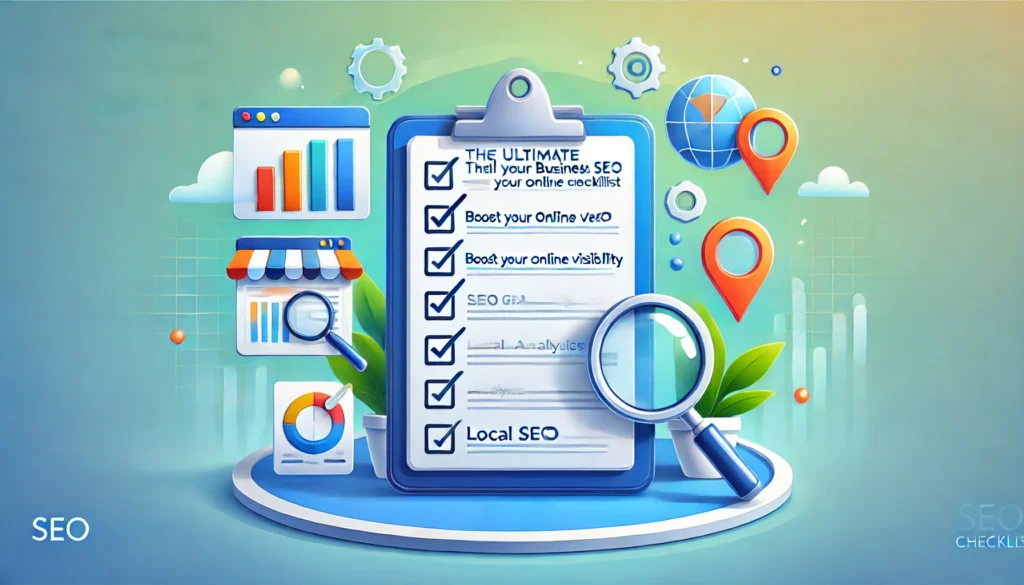
Small Business SEO Checklist
1. Keyword Research
- Use tools like Google Keyword Planner, SEMrush, or Ahrefs.
- Target long-tail keywords relevant to your niche.
- Analyze competitor keywords.
2. On-Page Optimization
- Optimize title tags, meta descriptions, and heading tags.
- Create high-quality, keyword-rich content.
- Add internal links for better navigation.
- Use descriptive alt text for images.
3. Mobile-Friendly Design
- Ensure your website is mobile-responsive.
- Use Google’s Mobile-Friendly Test.
- Optimize loading speed (e.g., compress images, enable caching).
4. Local SEO
- Claim and optimize your Google My Business listing.
- Maintain consistent NAP (Name, Address, Phone Number) info across directories.
- Collect and respond to customer reviews.
5. Content Strategy
- Publish high-quality blog posts, guides, and videos.
- Use target keywords naturally.
- Regularly update and create fresh, engaging content.
- Include Lists like this Small Business SEO Checklist
6. Backlink Building
- Obtain backlinks from reputable websites (e.g., guest posting, partnerships).
- Regularly monitor and disavow toxic backlinks.
- Participate in forums and collaborate with influencers.
7. Social Media Integration
- Add social sharing buttons to your website.
- Post consistently on platforms like Facebook, LinkedIn, and Instagram.
- Engage with your audience and monitor analytics.
8. Analytics and Monitoring
- Set up Google Analytics and Google Search Console.
- Track website performance (e.g., bounce rate, traffic sources).
- Adjust your SEO strategy based on data insights.
This Small Business SEO Checklist format makes it easier to follow and track progress while working on your SEO!
Make use of the various excellent tools out there to help you increase your traffic through SEO. Programs like SEMRush and WebRankIQ can help you increase your traffic significantly